More Noise, Less Signal

April 1, 2014

What are exactly the wrong things to do as an investor? Barry Ritholtz provides his top 10 ways to “get more noise, and less signal.” Enjoy!

1. Mainstream media is an excellent source of actionable trading & investing ideas. Especially financial television (FinTV). You should uncritically consume even more of it.

2. Data is overrated. Go with anecdotes from people you know personally and your gut instincts;

3. Pundits and TV guests are there to help you reach a comfortable retirement. They have no other agendas.

4. The most important information about the stock market — especially about when to buy or sell — is known only to handful of insiders. Envy them (and blame your losses on not being in that circle).

5. You need to exert lots of energy, spend lots of time, and create lots of stress about the following: The Federal Reserve, the Dollar, Congress, Inflation, Sovereign Bank Debt in Europe, Peak Oil, China, Deflation, Austerity in the UK, and the Hindenburg Omen.

6. Don’t worry if you are not good at math or science; Empiricism and probability analysis are vastly overrated (they are for geeks anyway); WTF is mean reversion?

7. Focus on the news sources that are in sync with your own political views and opinions and investment postures. Do not read anything that challenges your pre-existing beliefs. Besides, analysts and websites and fund managers that have been wrong for years are due for a winner!

8. Short term trading is where its at! Don’t worry about the long term — its way off in the future. Measure your success in minutes and hours, not years and decades.

9. There is no reason that you cannot also have a good time with your retirement account; That’s what its there for anyway.

10. Never listen to those who people with good long temr track records who have had a losing trade or a bad quarter. Its all about recent performance!

Posted by:


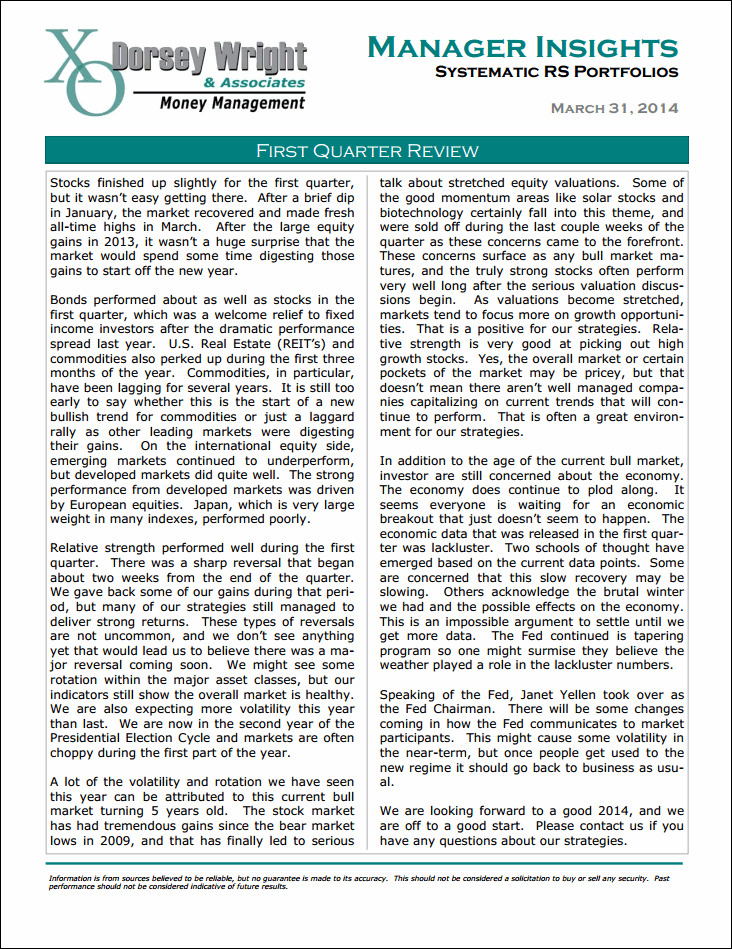
Q1 Manager Insights

April 1, 2014

Click here for our review of the first quarter and for our market outlook.

mgr insights Q1 Manager Insights

Relative strength strategy is NOT a guarantee. There may be times where all investments and strategies are unfavorable and depreciate in value. Relative Strength is a measure of price momentum based on historical price activity. Relative Strength is not predictive and there is no assurance that forecasts based on relative strength can be relied upon.

Posted by:


Q2 2014 PowerShares DWA Momentum ETFs

April 1, 2014

The PowerShares DWA Momentum Indexes are reconstituted on a quarterly basis. These indexes are designed to evaluate their respective investment universes and build an index of stocks with superior relative strength characteristics. This quarter’s allocations are shown below.

PDP: PowerShares DWA Momentum ETF

pdp Q2 2014 PowerShares DWA Momentum ETFs

DWAS: PowerShares DWA Small Cap Momentum ETF

dwas Q2 2014 PowerShares DWA Momentum ETFs

DWAQ: PowerShares DWA NASDAQ Momentum ETF

dwaq Q2 2014 PowerShares DWA Momentum ETFs

PIZ: PowerShares DWA Developed Markets Momentum ETF

piz Q2 2014 PowerShares DWA Momentum ETFs

PIE: PowerShares DWA Emerging Markets Momentum ETF

pie Q2 2014 PowerShares DWA Momentum ETFs

Source: Dorsey Wright, MSCI, Standard & Poor’s, and NASDAQ, Allocations subject to change

We also apply this momentum-indexing methodology on a sector level:

sector1 Q2 2014 PowerShares DWA Momentum ETFs

See www.powershares.com for more information.

The Dorsey Wright SmallCap Momentum Index is calculated by Dow Jones, the marketing name and a licensed trademark of CME Group Index Services LLC (“CME Indexes”). “Dow Jones Indexes” is a service mark of Dow Jones Trademark Holdings LLC (“Dow Jones”). Products based on the Dorsey Wright SmallCap Momentum IndexSM, are not sponsored, endorsed, sold or promoted by CME Indexes, Dow Jones and their respective affiliates make no representation regarding the advisability of investing in such product(s). A list of all holding for the trailing 12 months is available upon request.

Posted by: